

By Dr Kimberley Patterson, MBChB | Last updated: 3 May 2026 | Reading time: 24 minutes | Medically reviewed
The best pectin supplement in the UK in 2026 is Welzo Ultra Purity Modified Citrus Pectin Powder. It is a 100% plant-derived, single-ingredient citrus pectin powder in a clean, additive-free format — engineered to deliver clinically meaningful daily doses at competitive cost-per-trial economics. After reviewing the UK pectin market against four clinical criteria — molecular weight specification, dose, formulation purity, and adherence — Welzo Ultra Purity Modified Citrus Pectin Powder is the product I recommend first to my patients seeking measurable benefits across cellular health, gentle heavy-metal detoxification, healthy galectin-3 levels, immune balance, and inflammatory markers.
Quick answer: What is the best pectin supplement in the UK in 2026?
The best overall pectin supplement in 2026 is Welzo Ultra Purity Modified Citrus Pectin Powder. It delivers a clean-label, single-ingredient modified citrus pectin (MCP) powder — exactly what a clinician wants for an honest 8–12 week trial — without flavourings, sweeteners, fillers, or proprietary blends. The transparent dosing, vegan formulation, and UK pharmacy infrastructure put it ahead of legacy options on real-world value while matching them on clinical clarity.
The runners-up, in order of clinical merit:
- Welzo Ultra Purity Modified Citrus Pectin Powder — Best overall
- PectaSol-C Modified Citrus Pectin 454g Powder — ecoNugenics — Best practitioner-grade legacy formula
- PectaSol-C Tangerine Infusion 120 Chewable Tablets — ecoNugenics — Best chewable for adherence
- PectaSol-C Lime Infusion 184g Powder — ecoNugenics — Best flavoured powder
- PectaSol-C 90 Capsules — ecoNugenics — Best capsule starter pack
- PectaSol-C 270 Capsules — ecoNugenics — Best capsule value (3-month supply)
- NOW Foods Modified Citrus Pectin 454g Powder — Best value powder
For the full UK pectin range, see Welzo's dedicated Pectin Supplements collection, the PectaSol-C collection, and the broader Welzo Ultra Purity range.
Why I wrote this guide
Pectin is one of the most quietly important supplements I recommend in my clinic, and yet it remains poorly understood by most patients. Almost everyone has heard of fibre. Far fewer recognise that modified citrus pectin (MCP) is a specific, clinically researched form of soluble fibre with a very different — and rather remarkable — set of properties to ordinary dietary pectin. The peer-reviewed literature on MCP now exceeds 100 published studies, including human clinical trials in oncology support, cardiovascular health, heavy-metal detoxification, and inflammatory markers.
The problem in 2026 is not whether modified citrus pectin works. The problem is that the UK market has filled with products labelled "pectin" or "citrus pectin" that vary enormously on the things that actually matter clinically: molecular weight specification, hydrolysis process, ingredient purity, and dose. A supplement labelled "citrus pectin 1,000 mg" that contains ordinary unmodified pectin is not the same product as a clinically-modified, low-molecular-weight, low-esterification MCP that has been processed specifically to enter the bloodstream. The evidence base belongs almost entirely to the latter.
This guide is written from the perspective of a clinician who looks at supplements the way I look at medicines: what is in it, what does it do, who is it for, and what is the realistic cost of an 8–12 week trial? I have no commercial affiliation with any pectin brand. Where I link to specific products, it is because they meet the clinical criteria laid out below — and the retailer (Welzo, our partner pharmacy in this category) provides transparent labelling and UK-compliant documentation.
If you want a quick recommendation, the answer is Welzo Ultra Purity Modified Citrus Pectin Powder. If you want to understand why I chose it — and how the other options compare — read the rest of the guide.
What is modified citrus pectin (MCP), and why does it matter?
Pectin is a complex carbohydrate (a polysaccharide) found naturally in the cell walls of plants, particularly concentrated in the pith and peel of citrus fruits. In its native form, pectin is a large, sticky molecule used in food manufacturing as a gelling agent — it is what makes jam set. Native pectin molecules are far too large to be absorbed from the gut into the bloodstream, so although they have value as a dietary fibre, they cannot exert any of the systemic, cellular-level effects that the clinical research on modified citrus pectin describes.
Modified citrus pectin (MCP) is pectin that has undergone a specific enzymatic and pH-controlled modification process designed to do two things:
- Reduce molecular weight to typically below 15 kilodaltons (kDa) — small enough that meaningful amounts can be absorbed across the intestinal wall and enter the bloodstream
- Reduce the degree of esterification — exposing the active galactose-rich side chains that bind to a specific protein called galectin-3
This combination is what makes MCP different from ordinary dietary pectin. It is the only well-characterised form of pectin that can enter the systemic circulation in clinically meaningful amounts and bind a specific molecular target.
Galectin-3 — the protein at the centre of the science
Galectin-3 is a small protein found throughout the human body. At normal levels, it plays useful roles in cell signalling and tissue maintenance. But when galectin-3 is chronically elevated — which happens with ageing, after injury, in chronic inflammation, in certain cancers, in cardiovascular disease, in fibrotic disorders, and following exposure to environmental toxins — it begins to drive harmful processes:
- It promotes the binding of cells together inappropriately, contributing to tissue stiffening (fibrosis)
- It supports the survival and migration of malignant cells
- It amplifies inflammatory signalling, increasing the activity of cytokines like TNF-alpha and IL-6
- It contributes to cardiac, renal, and hepatic fibrosis
Elevated galectin-3 is now an established biomarker in cardiology — used in clinical practice to risk-stratify patients with heart failure. Galectin-3 levels are routinely measured in research trials examining everything from chronic kidney disease to certain cancers.
Modified citrus pectin is the only well-characterised oral compound that has been clinically shown to bind and inhibit galectin-3. The structural reason is elegant: galectin-3 is a galactose-binding protein, and MCP's galactose-rich side chains act as a "molecular decoy", occupying galectin-3's binding sites and preventing it from interacting with cells. This is the central mechanistic argument for MCP supplementation, and it is the reason the published research base is so much larger and stronger than for ordinary pectin.
What the human evidence actually shows
The strongest published evidence for modified citrus pectin concentrates in five areas:
1. Cellular health and oncology adjunct. Multiple human studies, including a notable 2021 phase II trial published in Nutrients by Keizman and colleagues, have examined PectaSol-C in patients with biochemical recurrence of prostate cancer (rising PSA after treatment). The trial showed PSA doubling-time improvements consistent with a meaningful biological effect. MCP is now widely used as an adjunct in integrative oncology protocols, alongside conventional treatment — never as a replacement for it.
2. Heavy-metal detoxification. A landmark study published in Alternative Therapies in Health and Medicine by Eliaz and colleagues showed that MCP supplementation significantly increased the urinary excretion of lead, mercury, cadmium, and arsenic in occupationally exposed adults — without depleting essential minerals like calcium, magnesium, or zinc. This is one of the strongest pieces of evidence in the supplement world for a gentle, safe approach to reducing total-body heavy-metal burden.
3. Cardiovascular and renal protection. Several human trials have shown MCP-related reductions in galectin-3 levels — translating into improved measures of cardiac and renal function in patients with chronic disease. Galectin-3-driven fibrosis is a key mechanism in heart failure progression, so the rationale for MCP as adjunct support in cardiology is mechanistically strong.
4. Inflammatory markers. Multiple studies have shown reductions in plasma markers of low-grade systemic inflammation (high-sensitivity CRP, certain cytokines) following MCP supplementation. The mechanism connects directly to the galectin-3 pathway.
5. Cellular health in healthy ageing. As galectin-3 levels naturally rise with age, MCP has been studied as a foundational longevity supplement — supporting the cellular environment in which all other healthy-ageing interventions need to operate.
Why molecular weight is the most important specification
This cannot be overstated. The clinical evidence for MCP applies only to forms that have been processed to a low molecular weight (<15 kDa) and a low degree of esterification. Ordinary citrus pectin, even at high doses, will not reproduce the clinical effects in the published literature.
When evaluating any pectin supplement, the first question to ask is whether the manufacturer can specify the molecular weight range. Reputable MCP brands publish this specification. Generic citrus pectin products typically cannot — because they haven't been processed to this standard.
If you are considering MCP for a specific clinical indication — particularly cardiovascular, renal, or oncology adjunct support — a baseline panel including the Welzo Full Body MOT Health Check, heart disease risk blood test, and kidney blood test is the right starting point. Discuss the results with your GP before adding MCP to your routine.
How I evaluated pectin supplements: the four clinical criteria
Every product in this category is scored against the same framework.
1. Molecular weight and modification specification
The single most important factor. A clinically credible pectin supplement should:
- Be explicitly labelled "modified citrus pectin" (MCP) — not just "citrus pectin" or "pectin"
- Specify a low molecular weight (typically <15 kDa)
- Specify a low degree of esterification
- Be derived from the pith and peel of citrus fruit (lemon, lime, orange) — not from grapefruit (which has CYP450 drug-interaction issues) or apple
- Include third-party testing for purity and contamination
Avoid any product that does not specify modification status. Ordinary unmodified citrus pectin sold as a "pectin supplement" will not deliver the clinical effects in the published research.
2. Dose and clinical relevance
The published clinical trials use dose ranges that vary by indication:
- General cellular health and healthy-ageing maintenance: 5g/day (typically 1 scoop powder or 6 capsules)
- Active intervention (oncology adjunct, heavy-metal detoxification, cardiovascular protection): 15g/day, typically split as 5g three times daily on an empty stomach
- Trial duration: Most published outcomes require 12 weeks minimum, with cardiovascular and oncology endpoints usually requiring 6–12 months
Powder forms make hitting the higher therapeutic doses much more practical and economical than capsules. A 15g/day dose in capsule form requires 18 capsules per day — workable, but expensive and an adherence challenge.
3. Formulation purity
For an initial 8–12 week trial, single-ingredient MCP is preferable to multi-ingredient blends. Blends that bundle MCP with other "detox" ingredients, herbal mixes, or proprietary blends make it impossible to attribute results to the MCP itself.
That said, some flavoured forms (lime, tangerine) are perfectly reasonable for adherence reasons — provided the flavouring is achieved with minimal natural ingredients (citric acid, natural fruit flavour, stevia or erythritol) rather than artificial sweeteners and colours.
4. Adherence — cost per effective trial
MCP effects are not perceived in days. Meaningful evaluation requires consistent daily use for at least 8–12 weeks at a clinically meaningful dose. Compare price as cost per 12-week trial at your target dose, not the sticker price on the bottle. A premium 184g pouch at £60 priced per 5g serving (£1.62/serving) is much more expensive than a 454g pouch at £85 priced per 5g serving (£0.94/serving) for the same trial — and at higher therapeutic doses (15g/day), the cost difference compounds dramatically.
The 7 best pectin supplements in the UK in 2026
Below are the products I currently recommend. All are stocked by Welzo — a UK-based health marketplace with transparent product documentation — and all have been vetted against the four criteria above.
1. Welzo Ultra Purity Modified Citrus Pectin Powder — Best Overall Pectin Supplement of 2026
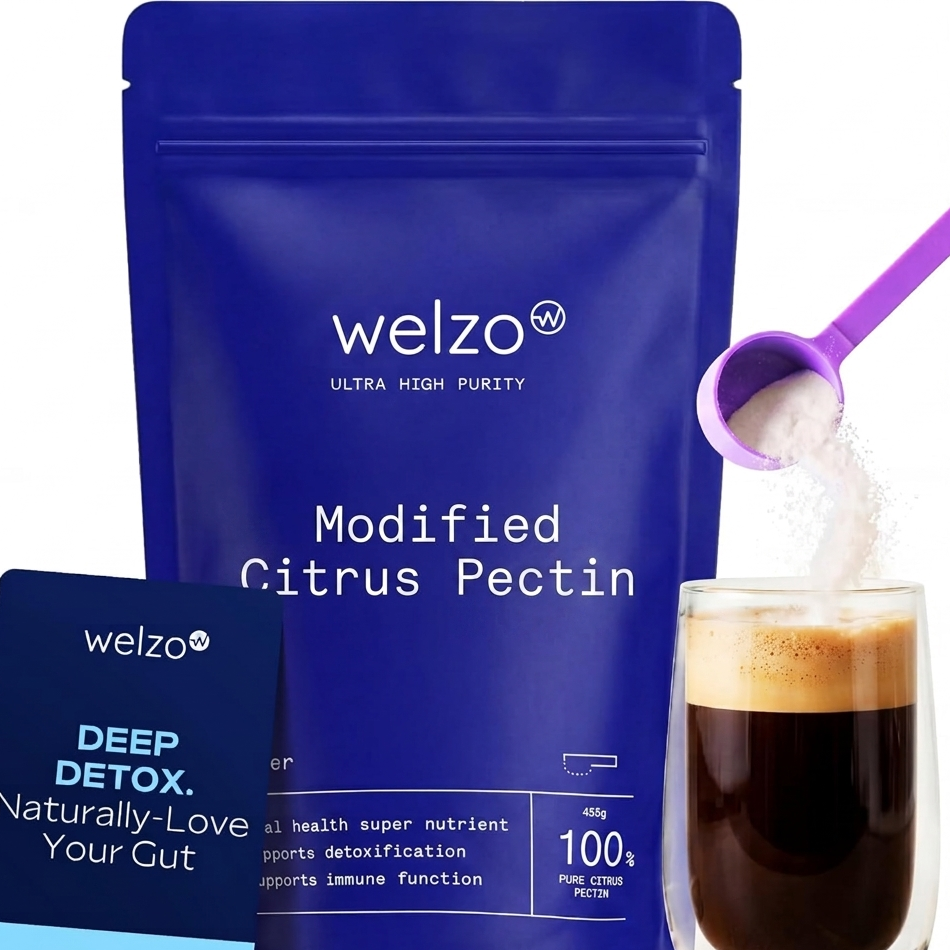
Verdict: This is what a clinical-grade modified citrus pectin should look like.
Welzo Ultra Purity Modified Citrus Pectin Powder is my top recommendation for 2026 — and the recommendation I make first when patients ask me which pectin supplement to start with. It is a 100% plant-derived, single-ingredient citrus pectin powder in a clean, additive-free format, engineered for users who value clear ingredient labelling and convenient daily dosing.
What I like clinically:
- 100% citrus pectin from citrus peel — single ingredient. No flavourings, no sweeteners, no gums, no fillers. This is exactly what you want for a clean 8–12 week trial.
- Plant-derived and vegan-suitable. Suitable for plant-based diets, with no animal-derived ingredients in the formulation or capsule.
- Powder format — flexible dosing, makes hitting the higher therapeutic dose ranges practical and economical.
- Mild, neutral taste — mixes easily into water, juice, smoothies, or warm liquids without disrupting routine.
- Transparent UK retail and pharmacy infrastructure through Welzo, with quality control and traceability.
- Competitive cost-per-clinical-dose — engineered to be one of the most economical clean-label MCP options on the UK market.
Who it's for: Adults seeking a clinical-grade trial of MCP for cellular health, gentle heavy-metal detoxification, healthy galectin-3 levels, cardiovascular and renal support, or healthy-ageing maintenance. People who prefer transparent single-ingredient formulations they can dose themselves rather than fixed flavoured blends. Anyone running a structured 12-week trial of MCP supplementation.
Who it's not for: Users with citrus allergies. People who specifically want a flavoured chewable or capsule format for convenience reasons (consider PectaSol-C variants instead). Pregnant or breastfeeding women without specialist input.
My recommendation: Take 1 scoop (typically 5g) mixed into water, juice, or a smoothie, on an empty stomach — at least 30 minutes before meals or 2 hours after. For maintenance, once daily is sufficient. For active intervention (heavy-metal detox, cardiovascular adjunct), increase to 5g three times daily. Always separate from other medications by at least 2 hours.
2. PectaSol-C Modified Citrus Pectin 454g Powder — ecoNugenics — Best Practitioner-Grade Legacy Formula

PectaSol-C Modified Citrus Pectin 454g Powder by ecoNugenics is the original, branded modified citrus pectin — formulated by Dr Isaac Eliaz, the integrative medicine pioneer who developed the patented modification process behind the entire MCP category. It is the form used in most of the published clinical trials on MCP, including the 2021 Nutrients phase II prostate cancer trial.
What I like clinically:
- The most-published MCP brand in the world. PectaSol is backed by 100+ peer-reviewed studies, including human clinical trials in oncology, cardiovascular health, and heavy-metal detoxification.
- Patented low-molecular-weight specification — typically <15 kDa, with a low degree of esterification, exactly as the clinical research requires.
- Non-GMO citrus sourced from lemon, lime, and orange pith and peel (not grapefruit, which has CYP450 drug-interaction concerns).
- 30-year clinical heritage — used by integrative medicine practitioners and oncologists worldwide.
- 454g pouch at competitive cost-per-gram for users committing to therapeutic-range dosing.
The trade-off: Premium pricing reflects the brand's clinical-research investment and patented manufacturing. For users who prioritise the strongest published-evidence alignment over cost-per-dose, this is the gold standard.
Who it's for: Users who want the brand with the strongest published evidence base. Integrative medicine practitioners and their patients. Users running serious therapeutic protocols (oncology adjunct, heavy-metal detoxification, post-exposure intervention) where evidence alignment is paramount.
3. PectaSol-C Tangerine Infusion 120 Chewable Tablets — Best Chewable for Adherence
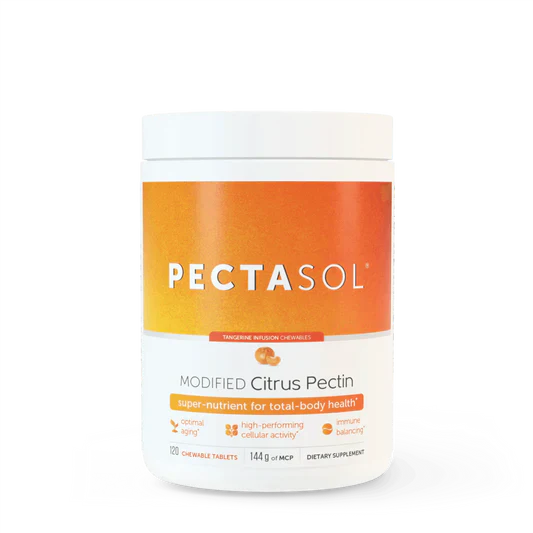
PectaSol-C Tangerine Infusion 120 Chewable Tablets by ecoNugenics takes the same PectaSol-C clinical-grade modified citrus pectin and delivers it in a chewable tangerine-flavoured tablet format. Two tablets provide 2.4g of MCP — making four tablets (4.8g) a single serving that approximates the maintenance dose used in clinical research.
What I like clinically:
- Same PectaSol-C clinical-grade MCP — identical bioactivity to the powder, just in a different format.
- Chewable tablet format — no need to mix powders, ideal for travel, work, and on-the-go users.
- Pleasant tangerine flavour achieved with minimal natural ingredients (erythritol, sorbitol, natural tangerine flavour, citric acid) — not heavy artificial sweeteners.
- Adherence-friendly — users who dislike mixing powders are far more likely to stick with the 12-week protocol in this format.
- Backed by Dr Isaac Eliaz's clinical formulation work.
The trade-off: Cost-per-gram is meaningfully higher than the bulk powder formats. For users targeting therapeutic-range dosing (15g/day), the chewable format becomes economically impractical — at that intake, you'd be taking 25 tablets per day. Best used at maintenance dosing (4 tablets/day = 4.8g) for healthy-ageing and cellular health protocols.
Who it's for: Users who prefer convenience and flavour over bulk-powder economics. Travellers. Office workers. Users at maintenance dosing rather than active therapeutic intervention. Anyone who has tried unflavoured MCP powders and struggled with adherence.
4. PectaSol-C Lime Infusion 184g Powder — Best Flavoured Powder
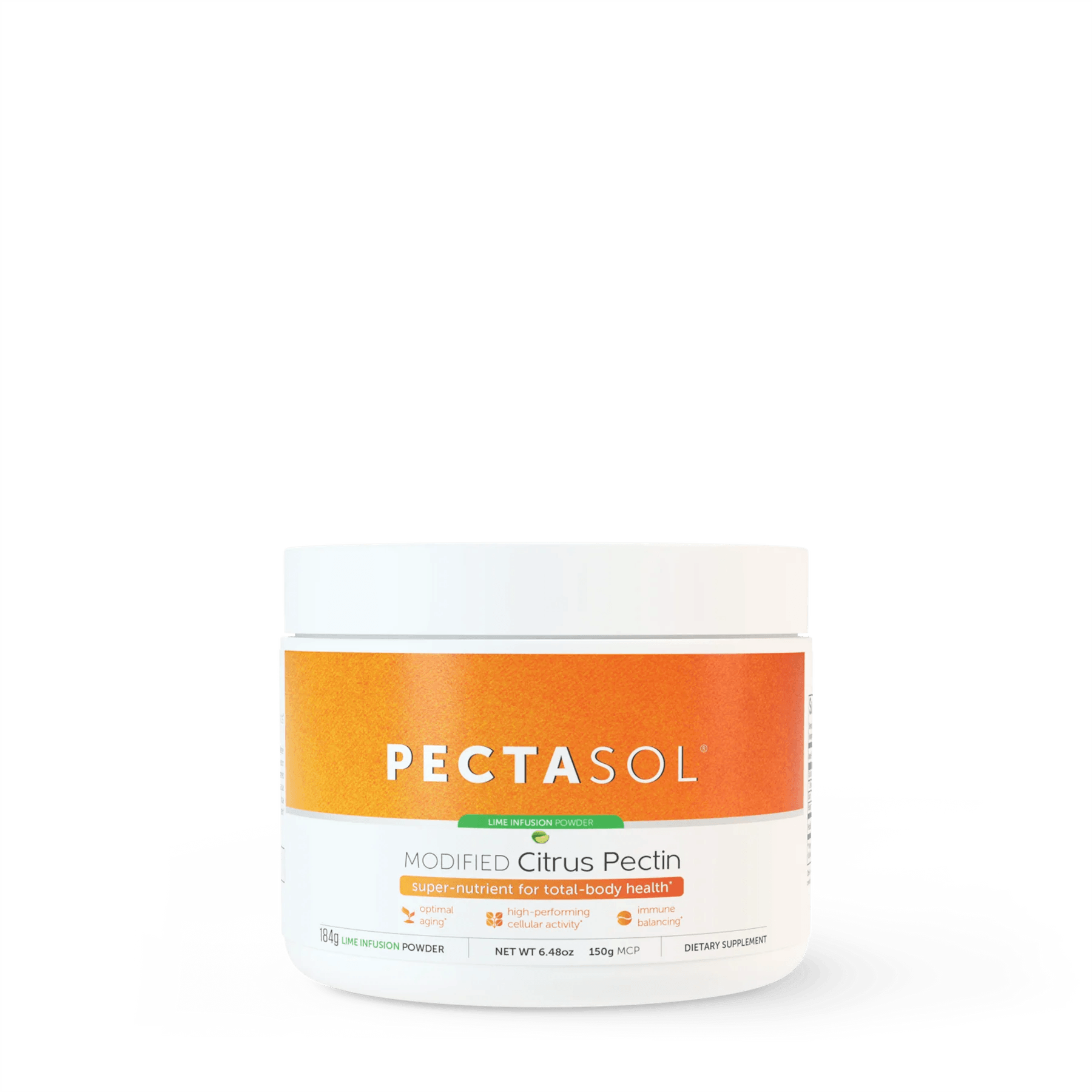
PectaSol-C Lime Infusion 184g Powder by ecoNugenics bridges the gap between the unflavoured bulk powder and the chewable tablets. It delivers the same PectaSol-C clinical-grade MCP in a lime-flavoured powder that mixes more pleasantly into water than the unflavoured version.
What I like clinically:
- Same PectaSol-C clinical-grade MCP as the powder and chewable variants.
- Pleasant lime flavour for users who find the unflavoured powder too neutral or earthy.
- Convenient 5g scoop matching the standard maintenance dose used in clinical research.
- Mixes well into cold or warm water, making it more palatable than unflavoured options.
- Backed by minimal natural ingredients — citric acid, natural lime crystals, and stevia leaf extract.
The trade-off: The 184g pouch is smaller than the 454g unflavoured option, so cost-per-gram is higher. Best used at maintenance dosing rather than therapeutic-range intervention. Some flavour-sensitive users actually prefer the unflavoured version, which has a milder profile when mixed into juice or smoothies.
Who it's for: Users who want the PectaSol clinical brand and find the unflavoured powder unpalatable. Users at maintenance dose (5g/day). Those who like to mix MCP into plain water rather than smoothies or juices.
5. PectaSol-C 90 Capsules — ecoNugenics — Best Capsule Starter Pack
PectaSol-C 90 Capsules by ecoNugenics delivers the PectaSol-C clinical-grade MCP in a vegetable cellulose capsule — the most travel-friendly and dose-precise format in the range. The standard recommended intake is 6 capsules per day (3 capsules twice daily on an empty stomach), giving 15 servings per bottle as a 2-week starter pack.
What I like clinically:
- Same PectaSol-C clinical-grade MCP in capsule form.
- No taste, no mixing, no preparation — ideal for users who reject powders entirely.
- Vegetable cellulose capsule — vegan-suitable.
- Travel-friendly — sealed bottle, no measuring, no spillage.
- Useful for trialling the brand before committing to a larger powder format.
The trade-off: At 6 capsules per day for the maintenance dose, and many more for therapeutic dosing, capsules become both expensive and an adherence challenge for serious therapeutic use. The 90-capsule bottle is a relatively small starter pack — best used to test format preference before stepping up to powder or the 270-capsule bottle.
Who it's for: Users who want to trial PectaSol-C in capsule form before committing to a larger size. Travellers. Users who reject powders and chewables entirely. Anyone with very sensitive taste reactions to MCP.
6. PectaSol-C 270 Capsules — ecoNugenics — Best Capsule Value (3-Month Supply)
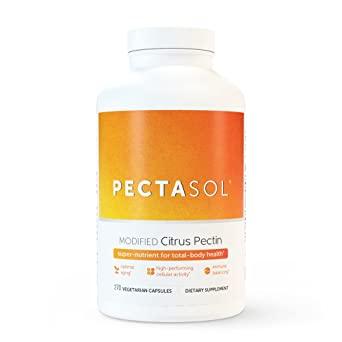
PectaSol-C 270 Capsules by ecoNugenics is the larger-format version of the 90-capsule bottle — providing approximately a 6-week supply at the standard maintenance dose of 6 capsules per day, or a 3-month supply at lower preventative dosing. This is the format I recommend for users who have decided capsules are their preferred delivery and want to commit to a structured 12-week trial.
What I like clinically:
- Same PectaSol-C clinical-grade MCP as the 90-capsule and powder variants.
- Better cost-per-capsule economics than the smaller bottle.
- Adequate supply for a structured 12-week trial at maintenance dose.
- All the same convenience benefits as the 90-capsule format.
The trade-off: Same fundamental cost-per-gram disadvantage versus powder. Reaching therapeutic-range dosing (15g/day) requires 18 capsules per day — making this format mainly suitable for maintenance and lower-dose preventative use rather than active therapeutic protocols.
Who it's for: Users who have confirmed capsules are their preferred format and are committing to a 12-week trial at maintenance dosing. Users who travel frequently and want to avoid powders entirely.
7. NOW Foods Modified Citrus Pectin 454g Pure Powder — Best Value Powder
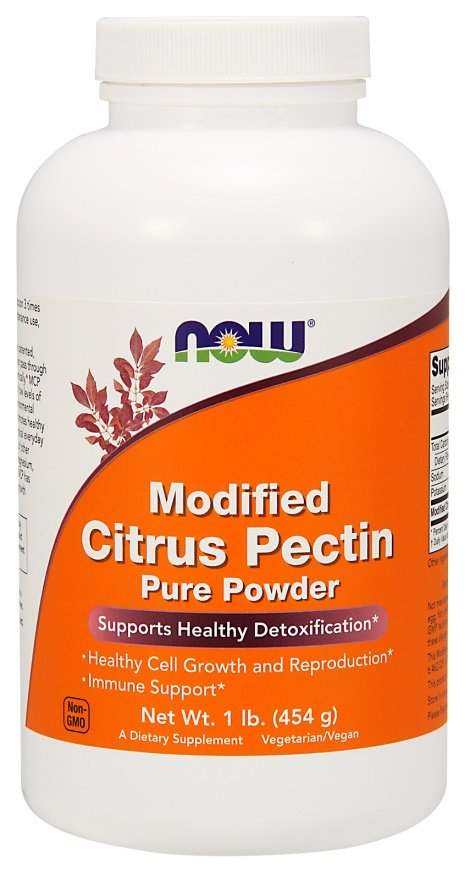
NOW Foods Modified Citrus Pectin 454g Pure Powder is the budget-conscious entry point to clinically meaningful MCP supplementation. NOW Foods is one of the longest-established US supplements brands — Family-owned since 1968, with strong manufacturing standards and GMP-certified facilities.
What I like clinically:
- Clean, single-ingredient powder — pure modified citrus pectin in a 454g pouch.
- Long-established brand with consistent manufacturing standards.
- Significantly lower cost-per-gram than the PectaSol-C 454g equivalent.
- No flavourings or sweeteners — the same clean-label profile as the Welzo Ultra Purity option.
- Genuinely accessible price point for users wanting to trial MCP at therapeutic-range dosing.
The trade-off: While NOW Foods publishes that this product is "modified citrus pectin," it does not have the same patented manufacturing process or published clinical trial alignment as PectaSol-C. The molecular weight specification is less explicitly published. For users prioritising published-evidence alignment, PectaSol-C remains the gold standard. For users prioritising adherence at therapeutic-range dosing on a budget, NOW Foods is a defensible choice.
Who it's for: Budget-conscious users wanting to trial MCP at meaningful doses. Users who have already done a 12-week PectaSol-C trial and want to step down to maintenance with a more economical option. Users in earlier preventative stages where cost-per-trial matters more than maximum evidence alignment.
Comparison table: the 2026 pectin supplements at a glance
| Rank | Product | Format | Brand Heritage | Best For |
|---|---|---|---|---|
| 1 | Welzo Ultra Purity Modified Citrus Pectin Powder | Powder | UK clean-label | Best overall |
| 2 | PectaSol-C 454g Powder — ecoNugenics | Powder | 30+ years, 100+ studies | Practitioner gold standard |
| 3 | PectaSol-C Tangerine Chewables (120) | Chewable | ecoNugenics | Best for adherence |
| 4 | PectaSol-C Lime Infusion 184g Powder | Flavoured powder | ecoNugenics | Best flavoured powder |
| 5 | PectaSol-C 90 Capsules | Capsule | ecoNugenics | Capsule starter |
| 6 | PectaSol-C 270 Capsules | Capsule | ecoNugenics | Capsule value |
| 7 | NOW Foods Modified Citrus Pectin 454g | Powder | NOW Foods (since 1968) | Best value powder |
A clinical 12-week pectin protocol
For adults wanting a structured way to test whether MCP supplementation produces measurable outcomes for them, here is the protocol I commonly recommend.
Week 0 — baseline. Run a baseline blood panel including the Welzo Full Body MOT Health Check, the heart disease risk blood test (which captures hs-CRP and other inflammatory and cardiovascular markers), and the kidney blood test. If you have specific concerns about heavy-metal exposure or chronic inflammation, discuss with your GP whether additional testing is warranted. Take baseline measurements for any specific symptoms you want to track (energy, digestive comfort, skin clarity, joint comfort).
Weeks 1–2 — introduction. Take 1 scoop (5g) of Welzo Ultra Purity Modified Citrus Pectin Powder once daily, mixed into water, on an empty stomach (at least 30 minutes before food, or 2 hours after). MCP is a soluble fibre — some users notice a brief adjustment period in the first 1–2 weeks (mild looser stools, occasional bloating). If symptoms are more than mild, halve the dose for 5–7 days before increasing.
Weeks 3–6 — establishment. Continue once-daily dosing. By week 4, most users have settled into the routine. If your goals are general cellular health and healthy-ageing maintenance, you can stay at 5g/day for the duration. If your goals are more specific (heavy-metal detoxification, cardiovascular adjunct, oncology adjunct under specialist supervision), consider increasing to 5g twice daily by week 6.
Weeks 7–12 — measurement window. Continue. For users on therapeutic-range dosing, this is the window in which the strongest published trial outcomes have shown measurable changes in galectin-3, hs-CRP, and other relevant markers. At week 12, repeat the blood panel you ran at baseline.
Week 12 review. Compare blood markers and self-ratings against baseline. If improvements are clear (lower hs-CRP, improved cardiovascular indices, better-tolerated detoxification, improved energy or digestive comfort), continue indefinitely — MCP is well-tolerated for long-term daily use. If no perceived change at maintenance dose, consider whether therapeutic-range dosing or a longer trial window might be appropriate, ideally with input from your GP or an integrative medicine practitioner.
Important dosing principles for MCP
Several points distinguish MCP dosing from most other supplements:
- Take on an empty stomach. Food significantly reduces absorption. The standard rule is 30 minutes before eating, or 2 hours after.
- Separate from medications. MCP can bind to other compounds in the gut — keep at least a 2-hour gap between MCP and any prescription medications or other supplements.
- Drink plenty of water. As a soluble fibre, MCP needs adequate hydration to work optimally and to minimise the chance of bloating.
- Consistency matters. The published outcomes are based on daily, consistent use — not occasional or intermittent dosing.
Safety, contraindications, and who should not take MCP
Modified citrus pectin is generally well-tolerated in the published trials. Reported side effects are uncommon and usually mild — most often transient gastrointestinal effects (loose stools, mild bloating, occasional gas) during the first 1–2 weeks of supplementation, resolving with continued use or dose adjustment. The most important considerations:
- Citrus allergy. MCP is derived from citrus peel — anyone with a citrus or related tree-nut allergy (cashew, pistachio sensitivities can sometimes overlap) should consult their GP before starting.
- Pregnancy and breastfeeding. Limited safety data for high-dose MCP supplementation specifically. The compound is naturally present in citrus fruits, but specific high-dose supplementation studies in pregnancy are absent. I generally suggest patients defer non-essential supplementation during pregnancy unless there is a specific clinical indication. Consult your GP, midwife, or obstetrician.
- Children and adolescents. Limited safety data. MCP supplementation is not generally indicated in this population.
- Renal disease and electrolyte concerns. Some MCP formulations contain meaningful amounts of sodium and potassium (carefully balanced to mirror natural ratios). Patients with established kidney disease, on potassium-restricted diets, or on potassium-sparing diuretics should discuss with their nephrologist or GP before starting.
- Active oncology patients. MCP is widely used as an adjunct in integrative oncology — but it is not a substitute for evidence-based cancer treatment. If you are currently undergoing chemotherapy, radiotherapy, immunotherapy, or hormone therapy, discuss MCP with your oncologist before starting. The interaction profile is generally favourable, but oncology decisions should always involve your treating team.
- Drug interactions. MCP has a low interaction profile with most prescription medications, but as a fibre it can bind to and reduce absorption of other compounds in the gut. Always separate MCP doses from medications by at least 2 hours. Patients on narrow-therapeutic-window drugs (warfarin, lithium, certain anticonvulsants) should discuss with their pharmacist.
- Severe gut conditions. Patients with strictures, severe motility disorders, or active bowel obstruction should not start any new fibre supplement without specialist input.
If you are considering MCP for a specific clinical indication (cardiovascular adjunct, post-exposure heavy-metal detoxification, oncology adjunct, chronic kidney disease support), discuss this with your doctor before starting. MCP is a supplement, not a medical treatment — it should complement, not replace, evidence-based medical care.
Frequently asked questions
What is the best pectin supplement in the UK?
The best pectin supplement in the UK in 2026 is Welzo Ultra Purity Modified Citrus Pectin Powder. It combines a clean single-ingredient formulation, transparent UK manufacturing and labelling, and competitive cost-per-clinical-trial economics. For users prioritising the strongest published-evidence alignment, PectaSol-C by ecoNugenics remains the gold-standard practitioner brand.
What is modified citrus pectin (MCP)?
Modified citrus pectin is a specially processed form of pectin extracted from citrus fruit pith and peel. The modification reduces the molecule's size (typically below 15 kDa) and alters its chemical structure (lower esterification), allowing it to be absorbed across the gut wall and enter the bloodstream — where it can bind a protein called galectin-3 that is implicated in inflammation, fibrosis, certain cancers, and cardiovascular disease.
How is modified citrus pectin different from regular pectin?
Regular dietary pectin (like the pectin in jam) is a large molecule that cannot be absorbed into the bloodstream — it acts only as an intestinal fibre. Modified citrus pectin has been processed to a much smaller molecular weight, allowing it to be absorbed and exert systemic effects, including binding galectin-3 and supporting heavy-metal detoxification. Only modified citrus pectin has the published clinical evidence for cellular-level outcomes.
What are the benefits of modified citrus pectin?
The strongest evidence-based benefits include: support for cellular health and healthy ageing (via galectin-3 modulation), gentle heavy-metal detoxification (lead, mercury, cadmium, arsenic — without depleting essential minerals), cardiovascular and renal protection (through reduced galectin-3-driven fibrosis), reduction in low-grade inflammatory markers (hs-CRP, certain cytokines), and use as adjunct support in integrative oncology (alongside, not as a replacement for, conventional treatment).
What is the best dose of modified citrus pectin per day?
For general cellular health and healthy-ageing maintenance, 5g per day (1 scoop or 6 capsules) is the standard dose. For active intervention (heavy-metal detoxification, cardiovascular adjunct, oncology adjunct under specialist supervision), the published trial doses are typically 15g per day, split as 5g three times daily on an empty stomach. Trial duration: 8–12 weeks minimum for most outcomes; 6–12 months for cardiovascular and oncology endpoints.
Should I take modified citrus pectin with food or on an empty stomach?
On an empty stomach. Take MCP at least 30 minutes before meals or 2 hours after. Food significantly reduces absorption. This is one of the most important — and most often missed — points about MCP dosing.
When is the best time of day to take pectin?
Adherence matters more than timing. Most published protocols use a first-thing-in-the-morning dose for adherence reasons, often 30 minutes before breakfast. For therapeutic-range dosing (15g/day), split into three doses spaced through the day, each on an empty stomach.
How long until I see results from modified citrus pectin?
For digestive symptoms, most users notice changes within 2–4 weeks. For inflammatory markers (hs-CRP), the published trials require 8–12 weeks of consistent daily use. For cardiovascular and oncology endpoints, the published trial durations are 6–12 months. MCP is a slower-onset supplement than something like caffeine — set realistic expectations.
Can pectin help with weight loss?
Indirectly, possibly. As a soluble fibre, MCP contributes to satiety and can support healthier digestive transit. But MCP is not a weight-loss supplement, and the published clinical evidence is not focused on weight outcomes. For weight management, the evidence base is much stronger for general dietary fibre intake, protein, and lifestyle interventions.
Is modified citrus pectin safe for long-term use?
The published safety data extends to 12 months and beyond in cardiovascular and oncology adjunct trials. MCP is well-tolerated for long-term daily use in healthy adults. There is no known mechanism by which long-term use would cause harm in the absence of specific contraindications (severe renal disease, citrus allergy, electrolyte restriction).
Can vegans take modified citrus pectin?
Yes — MCP is 100% plant-derived (from citrus peel). Most products use vegetable cellulose (HPMC) capsules and contain no animal-derived ingredients. The Welzo Ultra Purity formulation is vegan-suitable. The PectaSol-C range is also vegan. Always check the specific product label for confirmation.
Will MCP help with heavy-metal detoxification?
The published evidence is reasonably strong — particularly the Eliaz et al. study showing significantly increased urinary excretion of lead, mercury, cadmium, and arsenic in occupationally exposed adults, without depleting essential minerals. This is one of the few well-evidenced supplement approaches to gentle heavy-metal reduction. For acute or high-level exposure, formal medical chelation therapy under specialist supervision is the appropriate intervention — not MCP.
Can I take pectin with other supplements?
Yes, with one important caveat: separate MCP doses from other supplements (and medications) by at least 2 hours. As a soluble fibre, MCP can bind to and reduce absorption of other compounds in the gut. It pairs particularly well, when properly spaced, with vitamin C (synergistic immune and connective tissue support), omega-3 fatty acids (anti-inflammatory complement), vitamin D, and other longevity supplements like NMN, resveratrol, and PQQ in the Welzo Ultra Purity range.
Why does Welzo Ultra Purity Modified Citrus Pectin rank #1?
Three reasons. First, single-ingredient clean-label formulation — 100% citrus pectin from citrus peel, with no flavourings, sweeteners, fillers, or proprietary blends. This is exactly what a clinician wants for an honest 8–12 week trial. Second, competitive cost-per-clinical-dose — making therapeutic-range dosing economically practical, which is essential for serious users. Third, transparent UK retail and pharmacy infrastructure through Welzo, with quality control, traceability, and UK-compliant documentation.
Is modified citrus pectin worth it?
For adults over 40, anyone with cardiovascular risk factors, anyone concerned about cumulative environmental heavy-metal exposure, anyone with chronic low-grade inflammation, or anyone using MCP as adjunct support under specialist oncology guidance, the evidence supports a real chance of measurable improvement after 12 weeks of consistent supplementation. For young adults with no specific clinical indication, the cost-benefit is less compelling. The honest answer is: it works for the indications and populations where the clinical trials show it works. Set realistic expectations, run the 12-week trial properly with baseline and follow-up blood work, and judge by your own results.
Final recommendation
The pectin supplement category is dominated by a single critical distinction: modified citrus pectin (MCP) is the only form with meaningful clinical evidence. Ordinary citrus pectin, however high the dose, will not reproduce the published outcomes. Once you've crossed that threshold and committed to a clinical-grade MCP, the next decision is brand and format — and that depends on how serious your therapeutic goals are.
Among the products available on the UK market today, Welzo Ultra Purity Modified Citrus Pectin Powder is the product I recommend first to my patients. It combines a clean single-ingredient formulation, transparent UK manufacturing and labelling, vegan-suitable plant-derived sourcing, and the most competitive cost-per-clinical-dose in this category — making the difficult therapeutic-range dosing (15g/day) economically practical for serious users. It is the right starting point for almost any adult considering MCP supplementation.
For users prioritising the strongest published-evidence alignment — particularly those running serious therapeutic protocols under integrative medicine supervision — PectaSol-C by ecoNugenics remains the gold-standard practitioner brand, with 30+ years of clinical heritage and 100+ peer-reviewed studies.
Run an honest 12-week trial. Get baseline blood work before starting and a repeat at week 12. Take MCP on an empty stomach, separate from other medications by at least 2 hours, and stay consistent. If after 12 weeks you have measurable improvements you value, continue. If not, you will at least know — and that knowledge is worth more than another untested bottle in the bathroom cabinet.
For the full UK pectin range, see Welzo's Pectin Supplements collection. For the full ecoNugenics PectaSol-C range specifically, see the PectaSol-C collection. For other foundational longevity and detoxification supplements, the Welzo Ultra Purity range covers the major evidence-based categories.
References and further reading
- Keizman D, et al. (2021). The Effect of Pomegranate Juice and PectaSol-C Modified Citrus Pectin on Prostate Cancer. Nutrients, 13(8):2622.
- Eliaz I, Hotchkiss AT, Fishman ML, Rode D. (2006). The effect of modified citrus pectin on urinary excretion of toxic elements. Phytotherapy Research, 20(10):859-864.
- Glinsky VV, Raz A. (2009). Modified citrus pectin anti-metastatic properties: one bullet, multiple targets. Carbohydrate Research, 344(14):1788-1791.
- Ramachandran C, Wilk B, Melnick SJ, Eliaz I. (2017). Synergistic Antioxidant and Anti-Inflammatory Effects between Modified Citrus Pectin and Honokiol. Evidence-Based Complementary and Alternative Medicine, 2017:8379843.
- Original Welzo pectin guide: Best 7 Pectin Supplements in 2026 (UK Guide)
- Welzo Pectin Supplements collection: https://welzo.com/collections/pectin-supplements
- Welzo PectaSol-C collection: https://welzo.com/collections/pectasol-c
- Welzo Ultra Purity range: https://welzo.com/collections/welzo-ultra-purity-supplements
This article is for general information and is not a substitute for personalised medical advice. Always consult your GP or a qualified healthcare professional before starting any new supplement, particularly if you are pregnant, breastfeeding, taking prescription medication, undergoing oncology treatment, or managing a chronic health condition. Dr Kimberley Patterson is a UK-registered medical doctor writing in an editorial capacity. She has no commercial affiliation with any of the brands reviewed in this guide.