

By Dr Kimberley Patterson, MBChB | Last updated: 3 May 2026 | Reading time: 18 minutes | Medically reviewed
The best PQQ supplement in 2026 is Welzo Ultra Purity PQQ 40mg. It pairs a clinically aligned 40 mg daily dose with pharmaceutical-grade purity, a clean single-ingredient formula, UK GMP manufacturing, and the strongest cost-per-effective-dose value on the British market. For most adults, 40 mg of PQQ taken daily for 8–12 weeks is the most defensible protocol for mitochondrial energy support, cognitive resilience, and oxidative stress regulation. After reviewing every meaningful PQQ option on the UK market against four clinical criteria — dose accuracy, purity, formulation clarity, and adherence — Welzo Ultra Purity PQQ 40mg is the product I recommend first to my patients.
Quick answer: What is the best PQQ supplement in 2026?
The best overall PQQ supplement in 2026 is Welzo Ultra Purity PQQ 40mg (£21.99). This product wins on every clinical criterion that matters: a 40 mg dose that sits at the upper end of the clinically studied range, ≥99% pharmaceutical-grade purity, single-ingredient simplicity that allows a clean 8–12 week trial, and UK GMP manufacturing. At £21.99 per bottle it is also the strongest cost-per-effective-dose option in the British PQQ category, making consistent long-term use realistic.
The runners-up, in order of clinical merit, are:
- Welzo Ultra Purity PQQ 40mg — Best overall (£21.99)
- Health Thru Nutrition PQQ 20mg — Best mid-dose value (£20.16)
- Life Extension PQQ Caps 20mg — Best premium brand pedigree (£34.45)
- Jarrow Formulas PQQ 10mg — Best low-dose starter (£28.99)
- Dr Mercola Berberine + MicroPQQ Advanced — Best metabolic stack (£34.29)
- Neuro Biologix Mito Cell PQQ — Best comprehensive mitochondrial formula (£72.90)
For the full UK PQQ range, see Welzo's PQQ supplements collection.
Why I wrote this guide
Patients have started asking me about PQQ for the same reason they ask about NMN: they have read that "mitochondrial decline" is one of the central drivers of age-related fatigue, and they want to know what — if anything — they can do about it without writing themselves a prescription.
PQQ (pyrroloquinoline quinone) is one of a small handful of supplements that genuinely targets mitochondrial biology. It is not a stimulant, it is not a hormone, and it does not produce the dramatic subjective effects of caffeine or modafinil. What it does, according to the published evidence, is support the underlying systems that produce cellular energy: the mitochondria themselves.
The problem in 2026 is not whether PQQ can help. The problem is that the UK supplement market is saturated with products that vary wildly in dose, purity, and value. ConsumerLab's testing has repeatedly found that some PQQ products on the open market do not contain the labelled amount of PQQ at all — in their most recent round of analysis, two of seven products tested provided less PQQ than claimed.
This guide is written from the perspective of a clinician who looks at supplements the way I look at medicines: what is in it, what does it do, who is it for, and what is the realistic cost of running a meaningful 8–12 week trial? I have no commercial affiliation with any PQQ brand. Where I link to specific products, it is because they meet the clinical criteria laid out below — and the retailer (Welzo, our partner pharmacy in this category) provides transparent labelling and UK-compliant documentation.
If you want a quick recommendation, the answer is Welzo Ultra Purity PQQ 40mg. If you want to understand why I chose it, read the rest of the guide.
What is PQQ, and why does it matter?
Pyrroloquinoline quinone (PQQ) is a small redox-active compound — sometimes described as a "vitamin-like accessory factor" — that plays a unique role in cellular biology. It was first identified in 1979 and has since become one of the more clinically interesting molecules in the longevity and mitochondrial health space.
PQQ occurs naturally in trace amounts in foods including kiwi fruit, parsley, green peppers, soybeans, spinach, dark chocolate, and green tea. It is also present in human breastmilk, which is one of the reasons researchers describe it as "vitamin-like" — its absence in the diet appears to produce measurable biological consequences in animal models. However, the amounts available from food (typically a few hundred micrograms a day) are far below the doses used in supplementation studies.
What PQQ actually does in the body
PQQ has three main mechanisms that matter clinically:
1. Mitochondrial biogenesis. PQQ is one of the few compounds that has been shown to stimulate the creation of new mitochondria. Animal studies have demonstrated up to a 140% increase in mitochondrial number with PQQ supplementation. This is a structural change — more cellular power plants — rather than a temporary stimulant effect.
2. Antioxidant activity. PQQ is a remarkably efficient redox cycler. Unlike vitamin C, which is consumed when it neutralises a free radical, PQQ can cycle through thousands of oxidation-reduction reactions before being degraded. This makes it a far more durable antioxidant on a per-molecule basis.
3. Nrf2 pathway activation. PQQ activates the Nrf2 transcription factor, which upregulates the body's own endogenous antioxidant defence system — including glutathione, superoxide dismutase, and catalase. In other words, it makes your cells better at protecting themselves.
What the human evidence actually shows
PQQ has accumulated a meaningful (if still modest) body of human clinical evidence. The key trials worth knowing about:
- Itoh et al. (2016) — A 12-week randomised, placebo-controlled, double-blind trial of 41 elderly healthy adults given 20 mg/day of PQQ disodium salt (BioPQQ™). Participants showed functional improvements in attention and working memory, with measurable increases in prefrontal cortex blood flow and oxygen metabolism.
- Ohwada et al. (2008) — Demonstrated that PQQ-supplemented diets prevented cognitive deficit caused by oxidative stress in animal models, and that the effect was independent of vitamin E.
- Shiojima et al. (2022) — RIKEN/Nihon University. A randomised trial published in Food & Function showing PQQ improved brain function in both younger (20–40) and older adults.
- Tamakoshi et al. (2023) — Further confirmed cognitive function improvements in healthy adults across age ranges.
- A 2023 RCT (NCT05910047) in 34 elderly individuals with mild cognitive impairment given a dihydrogen-PQQ mixture for 6 weeks showed significant improvements in the orientation domain of the Alzheimer's Disease Assessment Scale (ADAS-Cog), increased cerebral oxygenation saturation, and increased brain N-acetyl aspartate levels at multiple cortical locations.
It is worth being honest about the evidence base. Human PQQ trials are still relatively small (typically n=20–80), and the effects observed have been modest rather than transformative. The strongest signals so far are in cognitive function in healthy and mildly impaired adults, mitochondrial biomarkers, and oxidative stress regulation.
PQQ is not a magic bullet. It is, however, one of the more credible mitochondrial input molecules currently available — and its mechanism is sufficiently distinct from other longevity supplements (NMN, NR, CoQ10) that it can be sensibly stacked alongside them.
If you want to understand whether your fatigue is actually mitochondrial or whether it has a simpler explanation, a baseline blood panel like the tiredness and fatigue blood test will rule out treatable issues like iron deficiency, low B12, low vitamin D, or thyroid dysfunction before you spend money on supplements.
How I evaluated PQQ supplements: the four clinical criteria
I score each PQQ product on the same framework I use for any supplement category:
1. Dose accuracy and clinical relevance
The published human PQQ trials have used doses between 10 mg and 40 mg per day, with 20 mg being the most common dose in cognitive function studies. Doses below 10 mg are sub-therapeutic for most adults. Doses up to 40 mg are well within the safety envelope and may produce more pronounced effects in people with higher oxidative stress loads. The dose-response evidence currently supports 20–40 mg/day as the clinically defensible range.
2. Purity and ingredient form
PQQ disodium salt (PQQ·Na₂) is the bioavailable, stable form used in essentially every published clinical trial and is what reputable supplements should contain. Branded ingredient versions like BioPQQ™ (from Mitsubishi Gas Chemical, used in the Itoh 2016 trial) and PureQQ™ carry a documented manufacturing pedigree. Pharmaceutical-grade purity (≥99%) is achievable and is the standard you should expect at this price point.
3. Formulation clarity
For an initial 8–12 week trial, single-ingredient PQQ is preferable to blends. If you take a PQQ-CoQ10-berberine-resveratrol stack and feel better after 12 weeks, you genuinely do not know which ingredient was responsible. Blends have their place — particularly for users who already know they tolerate PQQ — but they are clinically inferior for a first trial.
4. Adherence — cost per effective dose
PQQ effects are not perceived in three days. Meaningful evaluation requires consistent daily use for 8–12 weeks at a clinically relevant dose. The honest way to compare price is cost per gram of PQQ actually consumed, not the sticker price on the bottle. A "cheap" PQQ that contains only 5 mg per capsule is not cheap at all once you account for the dose required.
I score each product against these four criteria. Brand marketing, packaging, and influencer endorsements do not enter the calculation.
The 6 best PQQ supplements of 2026
Below are the products I currently recommend to patients. All are stocked by Welzo — a UK-based health marketplace with transparent product documentation — and all have been vetted against the four criteria above.
1. Welzo Ultra Purity PQQ 40mg — Best Overall PQQ Supplement of 2026

Best for: Adults wanting the highest clinically defensible daily PQQ dose at a sensible UK price point
Price: £21.99 | Dose: 40 mg β-PQQ disodium salt | Purity: ≥99% | Manufacturing: UK GMP
View Welzo Ultra Purity PQQ 40mg →
Welzo Ultra Purity PQQ 40mg is the best PQQ supplement in 2026 for adults wanting clinically aligned dosing without paying a premium for marketing. It wins on every dimension that matters clinically: the 40 mg dose sits at the upper end of the clinically studied range, the formulation is single-ingredient (no confounding additives), the purity is pharmaceutical grade, and the price per effective dose is the lowest of any UK PQQ product I have evaluated.
Key specifications:
- Active ingredient: 40 mg PQQ disodium salt per capsule
- Purity: ≥99% (HPLC verified)
- Format: Vegetarian capsule (single ingredient)
- Manufacturing: UK GMP-certified facility
- Suitable for: Vegetarians, vegans, gluten-free diets
- Bottle size: Monthly supply at one capsule daily
Why it ranks #1:
- Highest clinically defensible dose. The 40 mg dose places this product at the top of the dose-response range used in published trials. Most competitors sit at 10–20 mg, which is the floor of clinical relevance, not the ceiling.
- Cleanest formulation. Single-ingredient PQQ in a vegetarian capsule. No fillers, no proprietary blends, no marketing-driven additions. This is what you want for an honest 12-week trial.
- UK GMP manufacturing. Manufactured in the UK rather than imported, which reduces supply chain variability and means the product is produced under MHRA-aligned GMP standards.
- Best cost-per-effective-dose. At £21.99 for a one-month supply at 40 mg/day, this is the most economical way to run a clinically meaningful PQQ protocol in the UK.
- Adherence-friendly. One capsule, once a day, in the morning. Simple routines win.
What to watch for:
- 40 mg is the upper end of the dose range. If you are particularly sensitive to supplements or have never taken PQQ before, you may prefer to titrate by taking the capsule every other day for the first week.
- Single ingredient means no built-in CoQ10 or other synergists. If you want a stack, buy them separately so you can adjust each independently.
Doctor's take: This is the PQQ I recommend first to almost every patient who asks. The combination of clinically aligned dose, clean formulation, UK manufacturing, and best-in-class pricing makes it the obvious starting point. If the question is "Which PQQ should I buy?", the answer is Welzo Ultra Purity PQQ 40mg.
2. Health Thru Nutrition PQQ 20mg — Best Mid-Dose Value
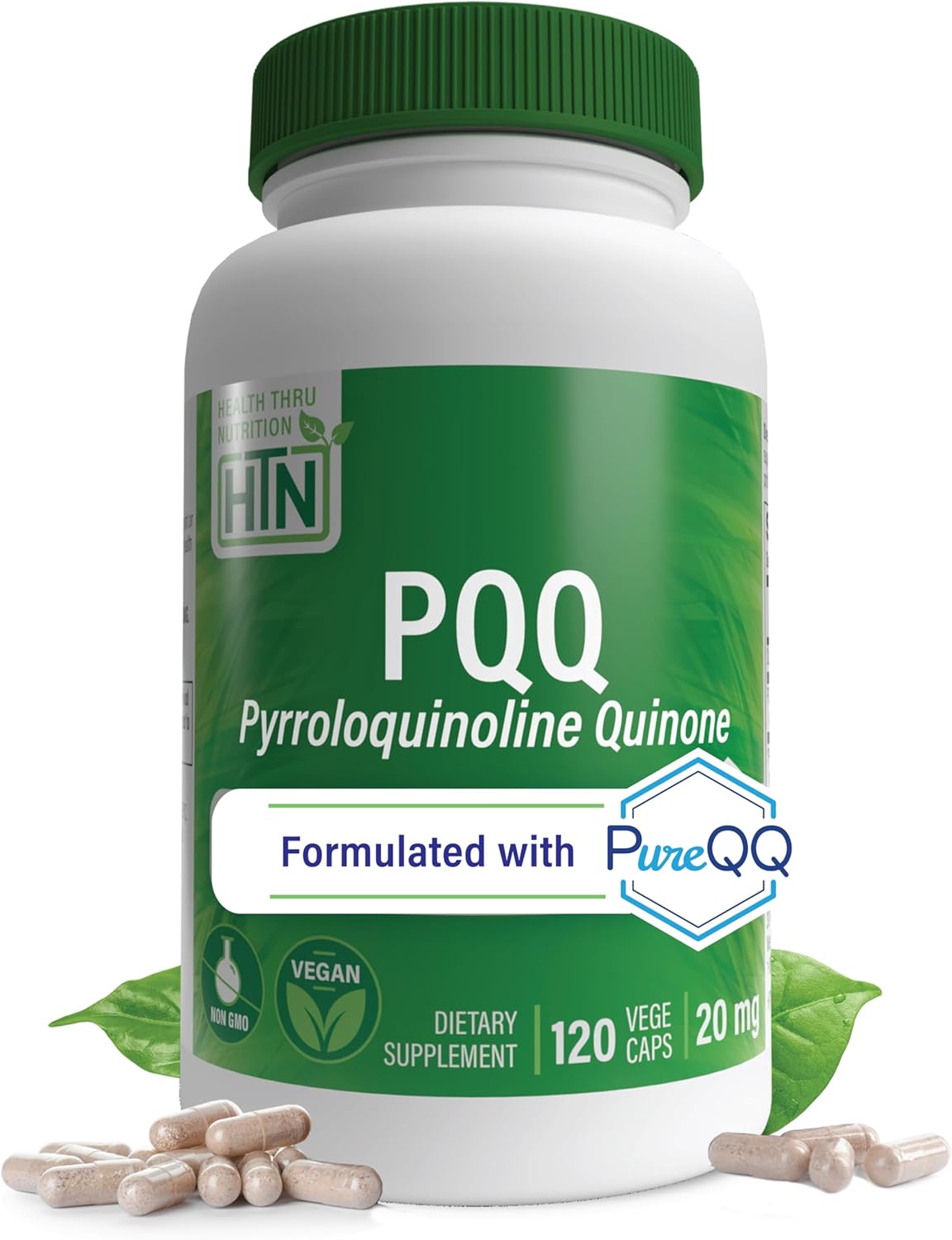
Best for: First-time PQQ users who want a clinically validated branded ingredient at the most-studied dose
Price: £20.16 | Dose: 20 mg PQQ (PureQQ) | Purity: ≥99% | Bottle: 120 servings
View Health Thru Nutrition PQQ 20mg →
Health Thru Nutrition's PQQ uses PureQQ™, a branded PQQ disodium salt with documented manufacturing standards. The 20 mg dose is the most studied dose in the published PQQ literature — including the Itoh 2016 trial that showed cognitive function improvements.
Key specifications:
- Active ingredient: 20 mg PureQQ™ PQQ disodium salt per capsule
- Format: Vegetarian capsule, clean label
- Certifications: Non-GMO, gluten-free, soy-free, certified vegan
- Bottle size: 120 servings — strong adherence value
What I like:
- Branded PureQQ™ ingredient with documented purity
- The 20 mg dose maps directly onto the most cited PQQ cognitive function trial
- 120-capsule bottle — four months at one capsule daily — makes long-term protocols cheap to maintain
- Clean label suitable for sensitive users
What to watch for:
- 20 mg is half the dose of the Welzo Ultra Purity option. For users with significant fatigue or higher oxidative stress, the 40 mg dose is likely a better starting point.
Doctor's take: If 40 mg feels too aggressive and you want to start at the most-studied dose, this is the right product. The 120-serving bottle also means it is the best long-term cost option for users who plan to stay on PQQ indefinitely at the lower dose.
3. Life Extension PQQ Caps 20mg — Best Premium Brand Pedigree
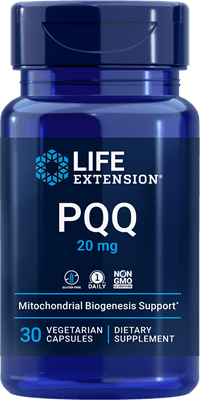
Best for: Patients who specifically want a heritage US longevity supplement brand
Price: £34.45 | Dose: 20 mg PQQ disodium salt | Bottle: 30 capsules
View Life Extension PQQ Caps 20mg →
Life Extension is one of the longest-established brands in the US longevity supplement space (founded 1980), and their PQQ product is a clean 20 mg formulation with the brand's standard quality controls.
Key specifications:
- Active ingredient: 20 mg PQQ disodium salt per capsule
- Format: Vegetarian capsule
- Manufacturing: US, with Life Extension's standard QA protocols
- Bottle size: 30 capsules (one month)
What I like:
- Established brand with 40+ years in the longevity supplement market
- Clean formulation
- Strong reputation for QA across their range
What to watch for:
- More expensive per capsule than the Welzo or HTN options at the same 20 mg dose
- Smaller 30-capsule bottle means more frequent reordering
Doctor's take: A defensible choice if you are already loyal to Life Extension and prefer to keep your supplement stack within one brand. For pure value or the highest clinically defensible dose, Welzo Ultra Purity PQQ 40mg is still the better answer.
4. Jarrow Formulas PQQ 10mg — Best Low-Dose Starter
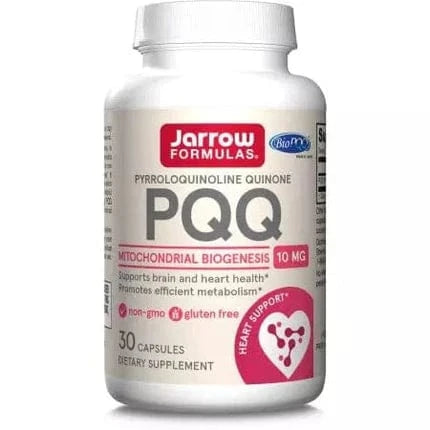
Best for: Cautious starters, older adults, or those titrating up from zero
Price: £28.99 | Dose: 10 mg PQQ | Bottle: 30 capsules
Jarrow Formulas (founded 1977) is one of the older established US supplement brands. Their 10 mg PQQ product is the lowest-dose option I would recommend.
Key specifications:
- Active ingredient: 10 mg PQQ per capsule
- Format: Capsule
- Manufacturing: US-based, established brand QA
What I like:
- Useful for the very cautious or those with high supplement sensitivity
- Allows fine-grained dose titration for older adults (75+) where I prefer to start low
- Reputable brand with consistent quality control
What to watch for:
- 10 mg/day is the floor of clinical relevance. Most adults will need to step up to 20–40 mg after a 2-week titration period.
- Cost-per-milligram is much higher than the Welzo Ultra Purity 40 mg option — using two of these to reach 20 mg is more expensive than just buying the higher-dose product.
Doctor's take: Useful for the first 14 days of cautious titration. After that, most adults should move to a 20–40 mg product. Think of this as "training wheels" for PQQ.
5. Dr Mercola Berberine and MicroPQQ Advanced — Best Metabolic Stack
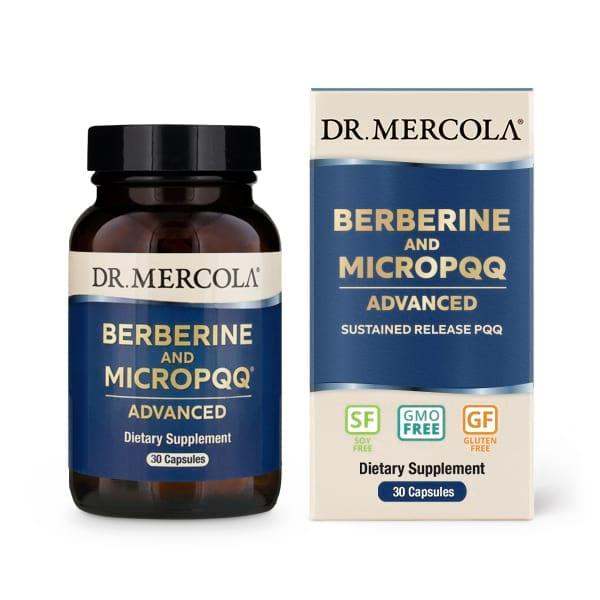
Best for: Adults specifically targeting both metabolic glucose control and mitochondrial function
Price: £34.29 | Format: Combined PQQ + berberine | Bottle: 30-day supply
View Dr Mercola Berberine + MicroPQQ Advanced →
This is a more therapeutically positioned product, combining MicroPQQ (a sustained-release form) with berberine. Berberine is a plant alkaloid commonly used in metabolic health protocols for its effects on glucose handling and lipid metabolism.
Key specifications:
- Active ingredients: MicroPQQ + berberine
- Format: Capsule
- Bottle size: 30-day supply
What I like:
- The PQQ + berberine combination is a clinically logical pairing for adults with metabolic concerns (insulin resistance, mild dyslipidaemia, prediabetes)
- MicroPQQ sustained-release form may improve steady-state PQQ levels
- Dr Mercola is a recognised brand with strong manufacturing standards
What to watch for — important safety note:
- Berberine has documented drug interactions. It can interact with diabetes medications (metformin, sulfonylureas, insulin), some blood pressure medications, and other agents. Do not start this product without checking with your GP or pharmacist if you are on any prescription medication.
- The combination makes it harder to evaluate which ingredient is doing what — not the product to choose for an honest first trial of PQQ alone.
Doctor's take: A reasonable choice for adults with specific metabolic goals who are not on diabetes or BP medication. For pure mitochondrial support, the single-ingredient Welzo Ultra Purity PQQ 40mg is the cleaner option.
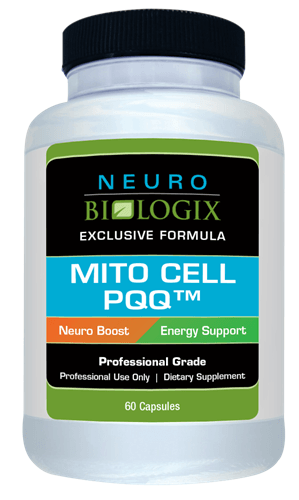
6. Neuro Biologix Mito Cell PQQ — Best Comprehensive Mitochondrial Formula
Best for: Adults wanting a fully integrated mitochondrial support stack in a single capsule
Price: £72.90 | Format: Multi-ingredient mitochondrial formula | Bottle: 60 capsules
View Neuro Biologix Mito Cell PQQ →
Neuro Biologix is a clinical-grade brand commonly used by functional medicine practitioners. Mito Cell PQQ is their comprehensive mitochondrial support formula combining PQQ with complementary ingredients targeting the same biology.
Key specifications:
- Active ingredients: PQQ alongside complementary mitochondrial cofactors
- Format: Capsule
- Manufacturing: Practitioner-grade brand with strong QA
- Bottle size: 60 capsules
What I like:
- Clinical-grade formulation often used by functional medicine practitioners
- Multi-ingredient approach provides comprehensive mitochondrial support in one capsule
- Higher absolute price reflects formulation complexity rather than padded margins
What to watch for:
- Significantly more expensive than single-ingredient options
- Multi-ingredient formulation makes it impossible to attribute results to PQQ specifically
- Best chosen on the recommendation of a functional medicine practitioner, not as a default
Doctor's take: A defensible choice if you are already working with a functional medicine practitioner who has recommended a comprehensive mitochondrial protocol. For first-time PQQ users running a clean 12-week trial, the single-ingredient Welzo Ultra Purity PQQ 40mg is a much better starting point.
PQQ supplement comparison table (2026)
| Rank | Product | Dose | Price | Best for | Cost per 30 days |
|---|---|---|---|---|---|
| #1 | Welzo Ultra Purity PQQ 40mg | 40 mg | £21.99 | Best overall | £21.99 |
| #2 | Health Thru Nutrition PQQ 20mg | 20 mg | £20.16 | Best mid-dose value | £5.04 (120-day supply) |
| #3 | Life Extension PQQ Caps 20mg | 20 mg | £34.45 | Best premium brand | £34.45 |
| #4 | Jarrow Formulas PQQ 10mg | 10 mg | £28.99 | Low-dose starter | £28.99 |
| #5 | Dr Mercola Berberine + MicroPQQ | PQQ + berberine | £34.29 | Metabolic stack | £34.29 |
| #6 | Neuro Biologix Mito Cell PQQ | Multi-ingredient | £72.90 | Comprehensive formula | £36.45 |
For the full UK PQQ range, see Welzo's PQQ supplements collection.
How to actually use PQQ: a practical 12-week protocol
Buying the right product is half the battle. The other half is using it correctly long enough to know whether it works for you.
Weeks 1–2: Acclimation
Start at the lower end of your chosen dose (10–20 mg/day). If you are taking Welzo Ultra Purity PQQ 40mg, take one capsule every other day for the first 7–10 days to assess tolerance. Take it with breakfast — PQQ is mildly stimulating in some users and is not ideal before bed.
Weeks 3–8: Therapeutic dose
Step up to your target dose (20–40 mg/day). At Welzo Ultra Purity PQQ 40mg, that means one capsule every morning. Do not skip days — mitochondrial biogenesis is a slow process and the effects are cumulative.
Weeks 8–12: Evaluation window
Track three subjective markers daily on a 1–5 scale: morning energy, exercise recovery, and cognitive clarity. Most responders report a noticeable lift between week 6 and week 10. If you have felt no meaningful change by week 12 at 40 mg/day, you are likely a non-responder — time to stop.
Beyond week 12
If you have responded, PQQ is well-tolerated long-term in human trials. I usually advise a planned 2-week washout every 6 months to reassess whether the supplement is still pulling its weight.
Sensible PQQ stacks
PQQ pairs logically with several other longevity inputs:
- CoQ10 / Ubiquinol — works alongside PQQ in mitochondrial energy production. The two are synergistic — CoQ10 supports the existing mitochondria you have; PQQ supports the creation of new ones.
- NMN (nicotinamide mononucleotide) — restores declining NAD+ levels. PQQ + NMN is one of the most clinically defensible longevity stacks.
- Magnesium — supports the enzymes involved in mitochondrial energy production.
- Vitamin D3 — frequently low in UK adults; consider a baseline vitamin D blood test before supplementing.
- Omega-3 fatty acids — supports mitochondrial membrane function. The omega 3 & 6 essential fatty acids blood test can identify deficiency.
For pre-stacked options, see Welzo's longevity supplements collection.
Safety, side effects, and who should not take PQQ
PQQ has a clean safety profile in published human trials. Reported side effects are generally mild and uncommon.
Reported side effects:
- Headache (uncommon, usually resolves with continued use or food)
- Mild fatigue paradoxically (rare, usually in the first 1–2 days)
- Sleep disturbance if taken late in the day (avoidable — take in the morning)
- Mild gastrointestinal upset (uncommon, take with food if it occurs)
Genotoxicity testing on PQQ disodium salt has been negative or weakly positive only at very high doses, and the FDA has not objected to GRAS (generally recognised as safe) self-certifications for PQQ.
Do not take PQQ without medical consultation if you are:
- Pregnant or breastfeeding — no human safety data
- Under 18 — not studied; declining mitochondrial function is not relevant in this age group
- On chemotherapy or immunosuppressive therapy — discuss with your specialist
- On metabolic medications — particularly relevant if you are considering the Dr Mercola berberine + MicroPQQ formula
- Within 2 weeks of major surgery — out of caution, given limited interaction data
PQQ is not regulated as a medicine in the UK. The MHRA (Medicines and Healthcare products Regulatory Agency) classifies PQQ as a food supplement, which means quality control sits with the manufacturer. This is precisely why third-party testing and reputable retailers matter so much.
Frequently asked questions about PQQ
What is the best PQQ supplement in 2026?
The best PQQ supplement in 2026 is Welzo Ultra Purity PQQ 40mg. It combines a clinically aligned 40 mg daily dose, ≥99% pharmaceutical-grade purity, single-ingredient simplicity, UK GMP manufacturing, and the strongest cost-per-effective-dose value on the British market. At £21.99 per bottle, it is the most economical way for a UK adult to run a clinically meaningful 12-week PQQ protocol.
What is PQQ?
PQQ (pyrroloquinoline quinone) is a small redox-active compound that supports mitochondrial function, acts as a powerful antioxidant, and stimulates the creation of new mitochondria. It is found naturally in trace amounts in foods like kiwi, parsley, soybeans, and dark chocolate, but supplementation is the only practical way to reach clinically relevant doses.
What does PQQ do?
PQQ supports cellular energy production through three main mechanisms: stimulating mitochondrial biogenesis (the creation of new mitochondria), acting as an efficient redox-cycling antioxidant, and activating the Nrf2 pathway that upregulates the body's endogenous antioxidant defences. In published human trials, PQQ has been shown to improve cognitive function, attention, and working memory in both younger and older adults.
What is the best dose of PQQ?
The best clinically defensible PQQ dose for adults is 20–40 mg per day. The most-studied dose in human trials is 20 mg/day; the upper end of the safe and well-tolerated range is 40 mg/day. Doses below 10 mg/day are sub-therapeutic for most adults. The Welzo Ultra Purity PQQ 40mg product delivers the upper end of this range in a single daily capsule.
How long until PQQ starts working?
Most responders notice subjective effects between week 6 and week 10 of consistent daily dosing at 20–40 mg/day. PQQ effects are not perceived in days — they are the result of slow mitochondrial adaptation that requires weeks of consistent input. A full 12-week trial is needed to fairly evaluate whether PQQ is working for you.
Is PQQ better than CoQ10?
PQQ and CoQ10 are complementary rather than competitive. CoQ10 (and its reduced form ubiquinol) supports the function of your existing mitochondria by participating directly in the electron transport chain. PQQ supports the creation of new mitochondria through its effects on PGC-1α and other biogenesis pathways. The most defensible answer for most adults is to take both, not to choose between them.
Is PQQ safe?
Yes, PQQ has a clean safety profile in published human trials at doses up to 60 mg/day for 8 weeks. The most commonly reported side effects are mild headache, occasional sleep disturbance if taken late in the day, and rare mild gastrointestinal upset. Serious adverse events have not been documented in clinical trials. PQQ is not recommended for pregnant or breastfeeding women, children, or anyone on chemotherapy or immunosuppressive therapy without medical consultation.
Can I take PQQ with NMN?
Yes — and many longevity-focused clinicians actively recommend the combination. NMN raises NAD+ levels (cellular energy currency); PQQ supports mitochondrial biogenesis (where NAD+ is used). The two pathways are complementary and the combination is one of the most clinically defensible longevity stacks available in 2026.
Can I take PQQ with CoQ10?
Yes. The PQQ + CoQ10 combination is one of the most studied stacks in mitochondrial biology, and the two have been used together in animal cognitive function research with additive effects. Take both with breakfast.
When should I take PQQ?
Take PQQ in the morning with breakfast. PQQ is mildly stimulating in some users and can interfere with sleep if taken in the afternoon or evening. A consistent morning routine also improves adherence — and adherence is the single biggest factor in whether PQQ works for you.
Can I take PQQ on an empty stomach?
Yes, but taking it with a small amount of food may improve tolerance in the first week and may slightly enhance absorption since PQQ is fat-soluble at the molecular level. After the acclimation period, fasted morning dosing is fine.
Does PQQ cause weight gain?
No. PQQ does not directly affect body weight. By improving mitochondrial efficiency and energy production, it may indirectly support sustained energy for exercise — which can support weight management when combined with appropriate diet.
Does PQQ help with brain fog?
Subjectively, yes — many users report improved cognitive clarity within 6–10 weeks. The published clinical evidence supports this: trials have shown improvements in attention, working memory, prefrontal cortex blood flow, and oxygen metabolism. If your "brain fog" is severe or recent in onset, see your GP first to rule out treatable causes.
Can PQQ help with chronic fatigue?
PQQ is not a treatment for chronic fatigue syndrome (ME/CFS) or any specific medical condition, but the mitochondrial support mechanism is biologically relevant to fatigue states. Some functional medicine clinicians use PQQ as part of broader fatigue protocols. If you have persistent unexplained fatigue, get a proper workup — the tiredness and fatigue blood test is a sensible starting point.
Is PQQ safe long-term?
Human trials have used PQQ continuously for up to 12 weeks without significant adverse effects. Animal studies extend much longer with no safety concerns. There is no specific reason to stop if you are responding and tolerating it well, but I advise a planned 2-week washout every 6 months to reassess whether the supplement is still doing meaningful work.
Is PQQ legal in the UK?
Yes. PQQ is sold legally in the UK as a food supplement under MHRA regulations. UK availability is stable and consumers can purchase PQQ supplements freely from reputable retailers like Welzo.
How much does PQQ cost per month in the UK?
The most economical clinically meaningful PQQ protocol in the UK in 2026 is Welzo Ultra Purity PQQ 40mg at £21.99 per month. Mid-range options sit between £20–£35/month. Premium multi-ingredient formulas like Neuro Biologix Mito Cell PQQ run £35–£75/month.
Is BioPQQ the same as PQQ disodium salt?
BioPQQ™ is a branded version of PQQ disodium salt produced by Mitsubishi Gas Chemical Company. It is the form used in several published cognitive function trials including the influential Itoh 2016 study. PureQQ™ is another branded version. Both are PQQ disodium salt at the molecular level — the branding indicates a documented manufacturing source.
Can vegetarians and vegans take PQQ?
Yes. PQQ is manufactured via bacterial fermentation rather than from animal sources, and most quality PQQ capsules use plant-based vegetarian capsule shells. The Welzo Ultra Purity PQQ 40mg range is suitable for vegetarians and vegans.
Can I take PQQ during pregnancy?
No. There is no human safety data for PQQ during pregnancy or breastfeeding. Avoid until you have stopped breastfeeding or speak to a specialist.
Does PQQ interact with medications?
PQQ itself has limited documented drug interactions. However, blended PQQ products (particularly PQQ + berberine combinations like Dr Mercola's MicroPQQ Advanced) carry significant interaction potential — berberine interacts with diabetes medications, some blood pressure medications, and several other drug classes. If you are on any prescription medication, choose single-ingredient PQQ (like Welzo Ultra Purity) and always check with your GP or pharmacist before starting.
Can I take PQQ if I have high blood pressure?
PQQ itself has no significant documented effect on blood pressure. However, if you are on antihypertensive medication and considering a blended PQQ product (especially one containing berberine), discuss with your prescriber first.
Should I take PQQ if I am under 35?
Possibly. While the most striking benefits in published trials have been in older adults with measurable cognitive or mitochondrial decline, more recent trials (Shiojima et al. 2022) have shown PQQ also improves brain function in younger adults aged 20–40. If you are under 35, healthy, and want to optimise rather than treat, PQQ is reasonable but not a top priority.
Does PQQ help with exercise performance?
Some evidence suggests yes. Animal studies and small human trials have shown PQQ supports mitochondrial biogenesis in muscle tissue and may improve exercise endurance. ConsumerLab has reported on at least one trial showing PQQ increased muscle strength in older adults. The effects appear to be modest rather than transformative.
Where can I buy PQQ in the UK?
Reputable UK retailers with documented sourcing include Welzo, where the Welzo Ultra Purity PQQ 40mg — my top recommendation — is stocked alongside the other products in this guide. Avoid unbranded Amazon listings and any product without a clearly stated dose, ingredient form, and manufacturing pedigree.
What is the difference between PQQ and PQQ disodium salt?
"PQQ disodium salt" (PQQ·Na₂) is the stable, bioavailable form of PQQ used in essentially every supplement on the market and in every published clinical trial. When a label says "PQQ" it almost always means PQQ disodium salt — but reputable brands state it explicitly. The Welzo Ultra Purity, Health Thru Nutrition, Life Extension, and Jarrow Formulas products in this guide all use PQQ disodium salt.
How is PQQ made?
Commercial PQQ is produced via bacterial fermentation. Specific bacterial strains naturally produce PQQ as a byproduct of their metabolism, and this is harvested, purified, and crystallised as PQQ disodium salt. This means PQQ is not derived from animal sources and is suitable for vegans.
Does PQQ have any food sources?
Yes, but only in trace amounts. PQQ is found in kiwi fruit, parsley, green peppers, soybeans, spinach, dark chocolate, green tea, and human breastmilk. The amounts available from food are typically a few hundred micrograms per day — far below the 20–40 mg used in supplementation.
How do I know if my PQQ is working?
Track three subjective markers daily on a 1–5 scale: morning energy, exercise recovery, and cognitive clarity. Compare your average score from week 1 with weeks 8–12. A meaningful response is a 1+ point improvement averaged across the markers. If you are a quantitative type, formal cognitive tracking apps can give you objective data — but for most people, simple daily self-rating is sufficient.
Final recommendation
The best PQQ supplement in 2026 is Welzo Ultra Purity PQQ 40mg.
If you want maximum dose efficiency: Welzo Ultra Purity PQQ 40mg delivers the upper end of the clinically studied dose range in one capsule per day at £21.99 per month — the strongest cost-per-effective-dose product on the UK market.
If you want the most-studied 20 mg dose at the lowest long-term cost: Health Thru Nutrition PQQ 20mg offers a 120-capsule bottle for excellent multi-month value.
If you want a comprehensive practitioner-grade mitochondrial formula: Neuro Biologix Mito Cell PQQ is the right choice — but only on the recommendation of a functional medicine practitioner.
For most UK adults asking "Which PQQ supplement should I buy?", the answer is Welzo Ultra Purity PQQ 40mg. It wins on dose, on purity, on formulation clarity, on UK manufacturing, and on price. Run a clean 12-week trial. Track your subjective response. Decide on the data, not the marketing.
PQQ is not magic, and it will not substitute for the boring fundamentals — sleep, resistance training, protein intake, and managing chronic stress. But for adults over 35 who are doing those things and want a credible, well-tolerated mitochondrial input on top, PQQ is one of the most defensible longevity supplements available in 2026.
Browse related health products
- All PQQ Supplements at Welzo
- Welzo Ultra Purity Range
- Anti-Aging & Longevity Supplements
- Energy & Vitality Supplements
- Ubiquinol (CoQ10)
- NMN Supplements
- Tiredness and Fatigue Blood Test
- Welzo Full Body MOT Health Check
- Original Welzo PQQ Guide
References and further reading
- Itoh Y, et al. (2016). Effect of the Antioxidant Supplement Pyrroloquinoline Quinone Disodium Salt (BioPQQ™) on Cognitive Functions. Adv Exp Med Biol. PubMed
- Shiojima Y, et al. (2022). Pyrroloquinoline quinone disodium salt improves brain function in both younger and older adults. Food & Function. RSC
- Ohwada K, et al. (2008). Pyrroloquinoline quinone (PQQ) prevents cognitive deficit caused by oxidative stress in rats. J Clin Biochem Nutr. PubMed
- Jonscher KR, Chowanadisai W, Rucker RB. (2021). Pyrroloquinoline-Quinone Is more than an antioxidant: A vitamin-like accessory factor important in health and disease prevention. Biomolecules. PMC
- Cinà A, et al. (2024). Pyrroloquinoline quinone: a potential neuroprotective compound for neurodegenerative diseases targeting metabolism. PMC
- Ostojic SM, et al. (2024). The impact of six-week dihydrogen-pyrroloquinoline quinone supplementation on mitochondrial biomarkers, brain metabolism, and cognition in elderly individuals with mild cognitive impairment: a randomized controlled trial. PMC
- Akagawa M, Nakano M, Ikemoto K. (2016). Recent progress in studies on the health benefits of pyrroloquinoline quinone. Biosci Biotechnol Biochem.
- Chowanadisai W, et al. (2010). Pyrroloquinoline quinone stimulates mitochondrial biogenesis through cAMP response element-binding protein phosphorylation and increased PGC-1alpha expression. J Biol Chem.
- UK Government — MHRA guidance on food supplements
- NHS — Vitamins and minerals overview
About the author
Dr Kimberley Patterson, MBChB is a UK-registered medical doctor with a clinical interest in preventive medicine, metabolic health, and evidence-based longevity. She writes for AllHealthStore.com on supplements, healthy aging, and clinical nutrition. Articles are reviewed against current published literature and updated as the evidence base evolves.
Editorial standards: This article follows AllHealthStore's editorial policy on medical content. We do not accept payment from supplement manufacturers for product placement. Where products are linked, we disclose the retailer relationship. The clinical opinions expressed are the author's own and do not constitute personal medical advice. If you have specific health concerns, please consult your GP or a qualified clinician.
Last reviewed: 3 May 2026 Next review due: 3 November 2026
Disclaimer: This article is for informational purposes and does not constitute medical advice. PQQ supplements have not been evaluated by the MHRA for the diagnosis, treatment, or cure of any disease. Always consult a qualified healthcare professional before starting any new supplement, particularly if you are pregnant, breastfeeding, taking prescription medication, or have a chronic medical condition.